Okay, so check this out—if you’ve been clicking around Solana dapps and sighing every time your extension hiccups, you’re not alone. Really. Phantom’s browser extension set the bar for usability on Solana, but a web-native Phantom feels like the next natural step. Woah! The idea of a full web version is tempting because it removes a whole class of friction—no installs, no stubborn pop-ups, and less dependency on a single browser profile—which, honestly, matters when you’re juggling wallets for work, play, and the occasional testnet experiment.
At first I thought a web wallet would be just a gimmick. But then I realized it’s more practical than that. Initially I thought extensions were “good enough,” but then I blew past a compatibility snag on a new Chromium build and my wallet vanished mid-swap. Hmm… somethin’ felt off about relying only on an extension. On one hand the extension offers tight integration and pretty solid UX; though actually, a web variant can broaden access for people on locked-down machines, public kiosks, or those who can’t install browser add-ons for policy reasons. My instinct said: offer more ways in, and you reduce gatekeeping. Seriously?
Here’s what bugs me about the current landscape: too many dapps assume a single, extension-backed wallet model. That assumption breaks down for teams, for devs testing CI workflows, and for everyday users on managed laptops. A web-based Phantom flips the script—if implemented thoughtfully—by offering session-based access, clearer on-screen prompts, and easier onboarding flows that don’t force users to deal with browser store quirks. That said, the security trade-offs are non-trivial. You don’t get the same isolation as an extension. So the design has to compensate with clear UX and robust cryptography.
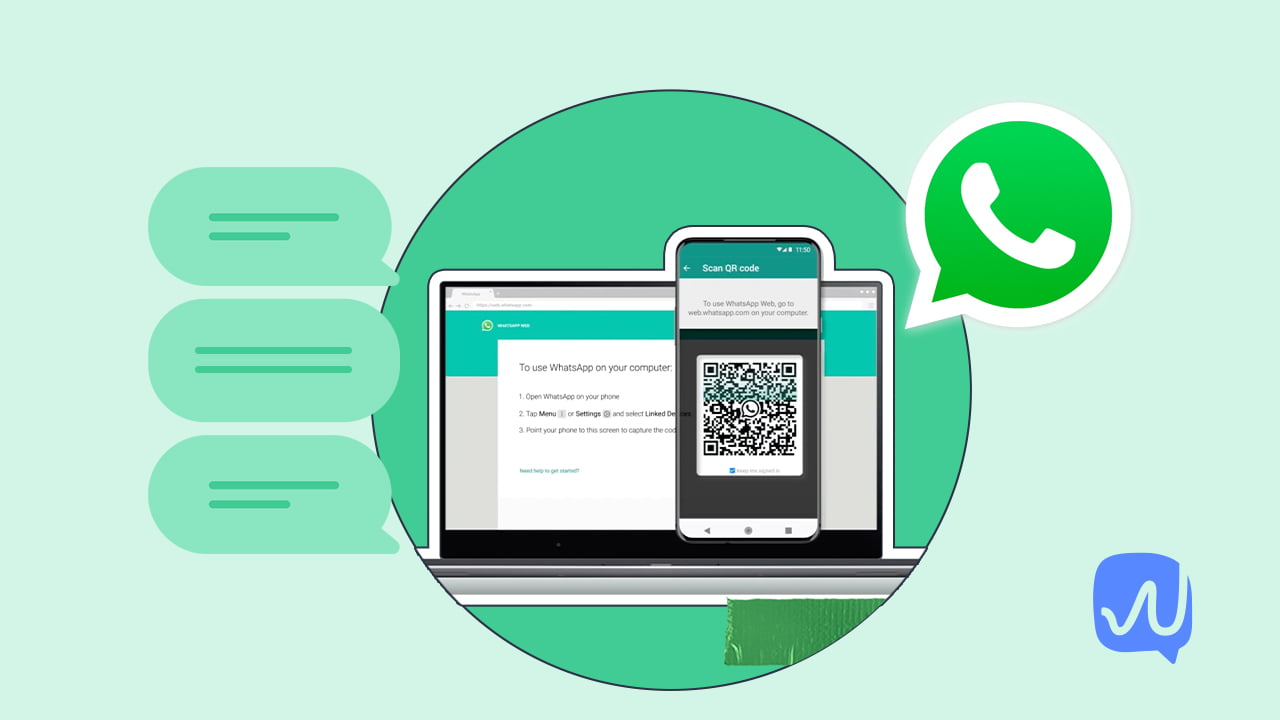
How Phantom Web fits into your Solana toolkit
Think of Phantom Web as another client endpoint—like the mobile app or extension—not a replacement. It’s for quick access, for signing small transactions in a pinch, and for people who want to try dapps without committing to an install. The web version can lean on well-known browser APIs and WebAuthn for stronger authentication, and it can sandbox signing flows so that a connected dapp never gets persistent access to keys. I’ll be honest: there are design decisions I prefer, and others that make me nervous. For example, ephemeral sessions are great for safety, but they add UX overhead when developers expect persistent keys.
Here’s a practical flow that feels right to me: open a dapp, click “Connect with Phantom Web,” authenticate with WebAuthn or a passphrase, grant session-limited permissions, and sign. Short-lived session tokens reduce blast radius. Longer sessions should require re-auth—biometrics or a device PIN. This isn’t theoretical. It’s how secure web experiences are evolving elsewhere (think banking web flows), and Solana dapps should adopt the same rigor. (Oh, and by the way—if you want to try a web build sooner rather than later, check out phantom web.)
Security caveats: a web wallet can’t hide from the DOM. If a malicious script runs in the page context, it can attempt clever social-engineering and click-jacking tricks. So the web wallet must rely on strong UI patterns: explicit signing dialogs, nonce previews, and transaction detail highlights. Also rate-limit signing attempts and require re-authentication for value-sensitive ops. These measures won’t solve everything, but they’ll move the needle.
One thing devs often forget—UX is security. If confirmations are opaque, users muscle through them and lose protection. The web wallet should show human-readable token names, amounts with local fiat estimates, and the destination address in a way people can parse (not just a blur of hex). I’m biased, but clarity reduces mistakes way more than a password ever will. Double-check displays. Use color and spacing. Make the approve/deny decision fast and obvious.
Integration tips for dapp builders: avoid assuming the presence of window.solana. Feature-detect for multiple providers and offer a clear “Connect with Phantom Web” button. Provide fallbacks and explain differences (e.g., “web sessions expire after X minutes”). Keep the onboarding flow linear—first connection, then optional wallet import or creation. Also, consider offering a “transaction sandbox” where users can simulate outcomes before signing. It’s user-friendly and it builds trust.
For power users: exportable session manifests would be a nice-to-have. That way teams can share ephemeral access keys for automated testnets without sharing seed phrases. On a personal note: I once had to coordinate signing across three contractors for a multisig test—managing extensions for everyone was such a headache. A well-designed web approach would’ve saved hours. Little things like that make the difference between “friction” and “workflow.”
Responsiveness and mobile support are a big deal. Mobile browsers vary wildly. The web version must adapt: mobile-first design, tappable affordances, and clear handoff flows to mobile wallets when needed. Some of this is basic, yes, but execution matters. If the wallet assumes wide screen thinking, you’ll lose 40–50% of users who try to connect from phones. In the US, people expect fast, phone-friendly experiences—think ordering lunch, not configuring servers—so simplicity wins.
Developer experience matters too. Provide SDKs, code samples, and a sandbox dapp that demonstrates session lifecycles. Good docs lower the barrier and reduce support tickets. And please—log out options should be front-and-center. Users will thank you when they realize how often they forget to disconnect from shared machines.
Common questions
Is Phantom Web as safe as the extension?
No, not inherently. The extension provides additional isolation from page scripts. That said, Phantom Web can be very secure if it uses WebAuthn, ephemeral sessions, clear signing UX, and rigorous session expiration. On the other hand, an unprotected extension can be worse. So implementation details matter a lot.
Can I import my seed into the web wallet?
Short answer: technically yes, but it’s generally discouraged unless the web app uses robust client-side encryption and never transmits your secrets. Prefer creating a new session that uses WebAuthn or linking a hardware wallet via standard protocols when possible.
Will dapps need to change to support Phantom Web?
Some small changes: feature-detect providers, handle session-limited wallets, and offer explicit UX for re-auth. Most modern dapps will adapt quickly—it’s mostly about treating the web client as an additional provider rather than the only option.
No responses yet